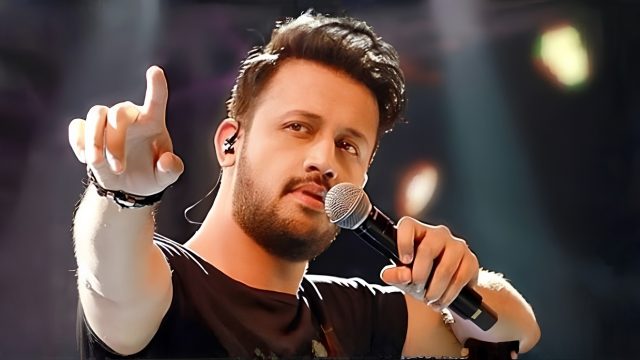
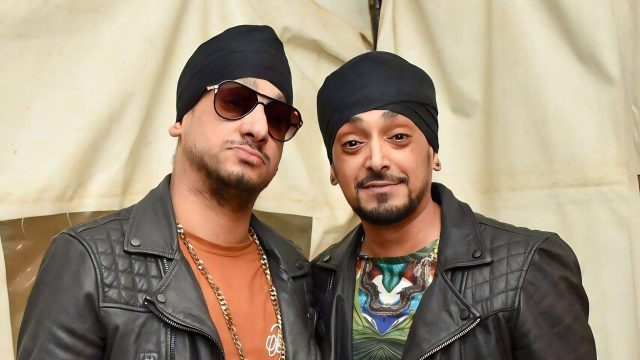
Zeeshan Ali – The Voice That Brought Ghazal Back to Life
In an age where most music is designed for quick consumption, Zeeshan Ali chose a different path. He picked up a keyboard, sat down in front of a camera, and sang with nothing to protect him except his voice and the weight of the poetry he carries. That simplicity turned out to be his greatest strength. Today, he is one of the most beloved ghazal and Sufi singers in Pakistan, with a fanbase that stretches deep into India, and a reputation that continues to grow with every performance he gives.
Zeeshan Ali was born on 26 August 1993 in Lahore, Pakistan, into a family with deep cultural roots. His great-grandfather, Balak Singh, was a Sikh from Jalandhar, Punjab, India, who migrated to Pakistan, making Ali a third-generation migrant. Raised in a Shia Muslim household, Zeeshan was introduced to music through religious gatherings, where he developed an early appreciation for poetry and classical ragas.
That background, rooted in spiritual music and poetic recitation from childhood, shaped the kind of artist Zeeshan was going to become. He did not discover classical music as a teenager through YouTube. He grew up inside it.
Classical Training and the Gwalior Gharana
What separates Zeeshan Ali from most contemporary singers is the depth of his classical training. His introduction to serious and beautiful poetry happened through his childhood. He would sing in compositions of ragas. Later, when he went to learn from his Guru who is also from the Gwalior Gharana, he could connect the dots. He realised the melodies he was singing the religious poetry in were all derived from the classical ragas.
The Gwalior Gharana is one of the oldest and most respected schools of Hindustani classical music in South Asia. Having trained under a teacher connected to that tradition gave Zeeshan a technical foundation that most modern singers simply do not have. It is why his voice carries the kind of controlled emotion that takes years to develop, the kind that stops people mid-scroll when they hear it for the first time.
Nescafe Basement and the Industry Takes Notice
Before the viral moments and the international attention, Zeeshan had already earned serious recognition within Pakistan’s music community. Ali performed Tere Jiya Hor Disdah on the Pakistani music television series Nescafe Basement Season 4 That performance introduced his voice to a far wider audience and established him as a classically rooted artist with genuine mainstream appeal.
Following his acclaim in Nescafe Basement with his rendition of Tere Jiya Hor Disdah, Zeeshan Ali showcased his versatility through original compositions like Ali Tera Malang, Gagaria, Nahi Milna, and Dilri Lutti. He also ventured into fusion, founding the band Surkhwaab, which blends classical thumri with jazz and blues arrangements. The Surkhwaab project shows the range of his musical curiosity. He is not limited to one style. He simply happens to be most powerful in the traditional forms that shaped him.
The Moment That Changed Everything: Saadgi Goes Viral
Every artist has a turning point. For Zeeshan Ali, it came through a thirty-second video. He posted a 30-second clip of himself performing a slow rendition of Nusrat Fateh Ali Khan’s famous qawwali, Saadgi. It became an overnight sensation. The clip got over a million views, and Ali’s Instagram followers ballooned rapidly.
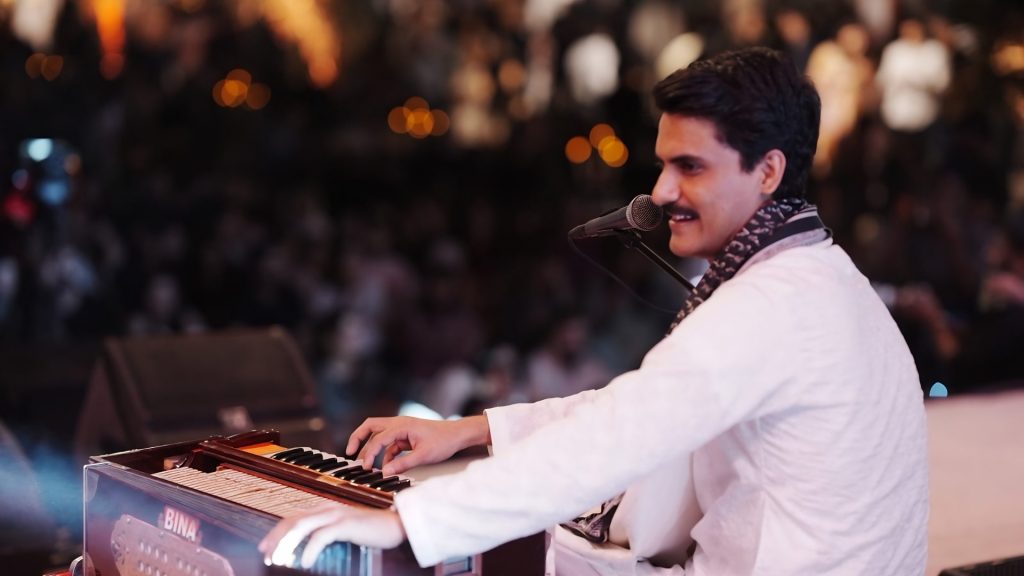
What made the video so powerful was not just his voice but the complete absence of artifice around it. No autotune, no layered production, no visual effects. Just a man, a keyboard, and a song that Nusrat Fateh Ali Khan had made immortal decades earlier. In an era dominated by lo-fi and autotune, he showed that there is still an appetite for poetry and simple vocals.
What surprised him was that almost all his new fans were Indians. Ali’s performances herald the rise of a new kind of pared-down, Instagrammable music that relies solely on the keyboard and heartfelt lyrics. He evokes a bygone era through the timeless melodies of Nusrat Fateh Ali Khan, Noor Jehan, and Mohammed Rafi.
The Indian Connection: A Cross-Border Phenomenon
The depth of Zeeshan Ali’s popularity in India is something quite extraordinary for a Pakistani independent artist. From actors Sonam Bajwa, Aditi Rao Hydari, and Ayushmann Khurrana to director Hansal Mehta to ghazal maestro Ghulam Ali, Zeeshan Ali has been receiving abundant praise from Indian celebrities who have been using his voice to create reels or sharing his music on their social media profiles.
Some Indian fans have even started comparing him to Ali Sethi, the Pakistani singer whose Coke Studio track Pasoori reached global audiences. That comparison speaks to the caliber of Zeeshan’s talent and the universal emotional language of the music he chooses to sing.
Perhaps the most memorable moment of cross-border connection came at a private mehfil. Zeeshan Ali left Pakistani and Indian sensation Fawad Khan awe-struck with his performance of a song from the hit show Humsafar. Khan had requested Ali to sing that song, and his subtle smile after hearing the song made for a viral social media video. When one of Pakistan’s biggest entertainment stars sits in your audience and requests a specific song, that tells you everything about where Zeeshan stands among his artistic peers.
Original Music and the Mission to Revive Ghazal
Beyond covering classics, Zeeshan Ali is committed to creating new work that carries the same poetic seriousness of the traditions he loves. Bigfoot Music has released and produced multiple original songs with Zeeshan Ali, such as Tera Chup Rehna, Ik Wari, and Bhopali. Each original track demonstrates that he is not simply a performer of other people’s compositions. He is an artist building his own body of work with the same reverence and craft he brings to classic renditions.
He is working on an upcoming album that will feature his own ghazal compositions for which he is collaborating with young poets from Pakistan. With this, he hopes to see ghazal and poetry back in the mainstream, not just in Pakistan, but in India as well. That ambition, to bring an entire genre back to cultural prominence, is the mark of an artist thinking beyond personal success.
Live Performances and Event Presence
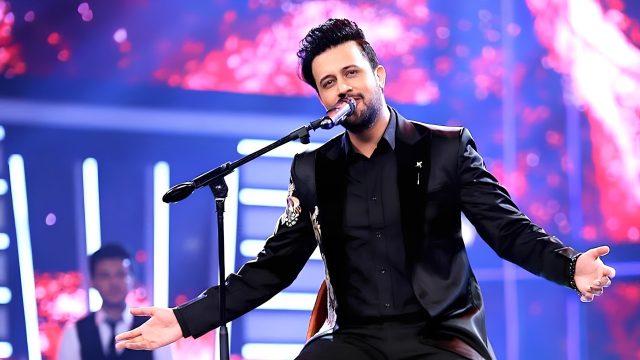
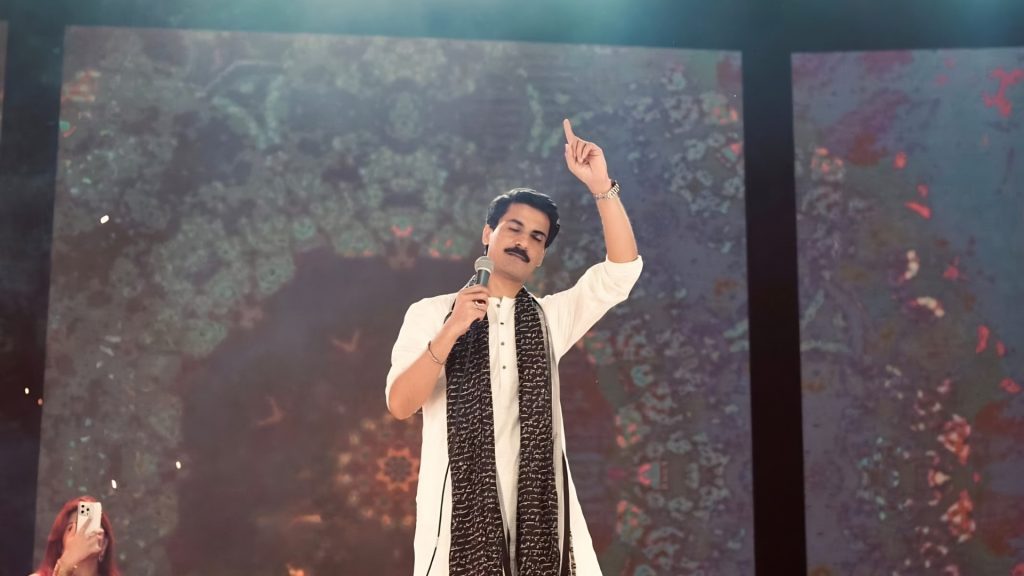
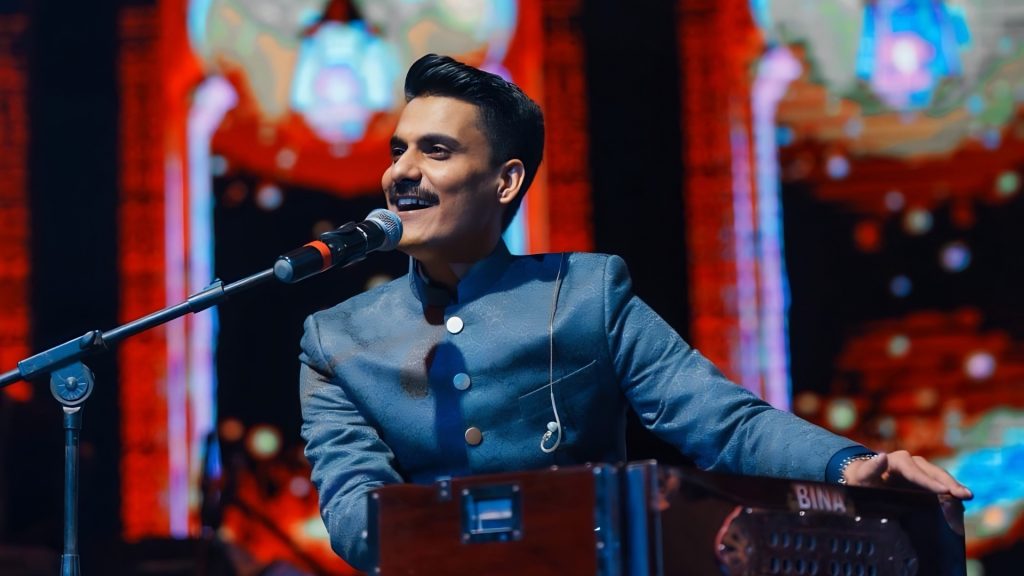
Zeeshan Ali is a mehfil artist at his core. He thrives in live settings where the connection between performer and audience is immediate and intimate. His artistry in Ghazal, with its poetic lyricism and soul-stirring melodies, has resonated profoundly with audiences, earning him a devoted following. His renditions of Qawwali, characterized by powerful vocal delivery and spiritual resonance, showcase his dedication to preserving and advancing the rich musical heritage of the region.
He has performed at international platforms including the Darbar Festival, where in 2024 he collaborated with the Leo Twins for a remarkable partnership concert. Their performance was a seamless blend of tradition and innovation, leaving a lasting impression on all who experienced it.
Why Book Zeeshan Ali for Your Event?
Zeeshan Ali is the artist you invite when you want your event to carry genuine cultural weight. Whether you are organizing a Sufi night, a private corporate dinner, a wedding mehfil, a university cultural event, or a large-scale music concert, his voice creates an atmosphere that is difficult to replicate. He connects with audiences across generations, across borders, and across languages because great poetry and a great voice need no translation.
He has already won over India, captivated Fawad Khan, earned praise from Bollywood actors and directors, and brought a generation of young listeners back to the ghazal. Imagine what he can do for your event.
Contact us today to check his availability and book Zeeshan Ali for your upcoming event.